Runes Before the Vikings
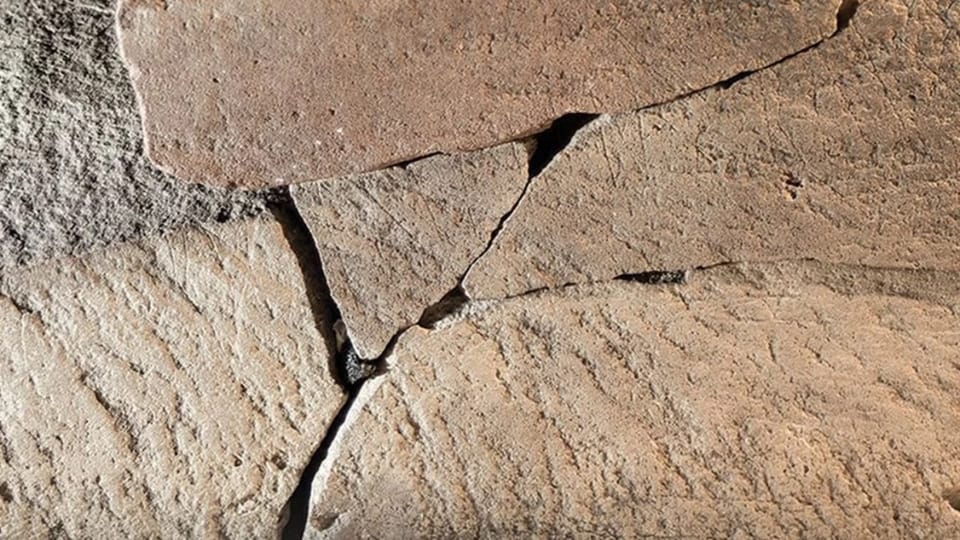
Alright, here’s the deal.
You got these carved stone fragments, right? They run the numbers, hit them with radiocarbon dating, and suddenly we’re not in the usual Viking sandbox anymore. We’re talking 50 BC to AD 275. That’s way earlier than anybody comfortably penciled in for runes on stone.
Now one piece, Hole 2, that’s the star. Big, clean carving that reads “idiberug.” Eight runes, cut sharper than the rest like somebody wanted you to notice. Most folks figure it’s a name. Maybe feminine. Something tied to protection, help, that whole Proto-Germanic vibe. Not just a word. A person.
And the letters themselves? They’re weird. In a good way. You got this funky “b” rune with extra pockets, an “e” that looks like it’s still figuring itself out. This is early alphabet stuff, the old futhark still in the workshop phase.
Elsewhere on the stone, things get messy. Partial runes, grid scratches, maybe even a “fuþ” sequence like someone practicing their ABCs. Flip it over, you get a pile of consonants with the vowels ghosting. That was a thing back then.
Then Hole 3 steps in and drops a line: “ek … fahido runo.” Translation? “I wrote the rune.” That’s a signature. Maybe even the earliest female rune carver on record.
Bottom line, this isn’t just old rock. It’s people, experimenting, leaving marks, figuring out a language that would outlive them.