Vikings in Maine
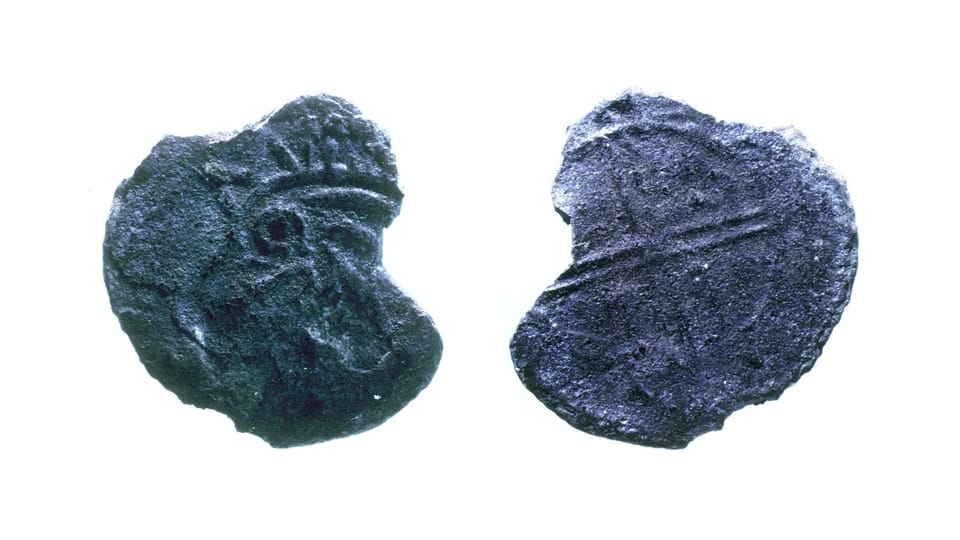
It’s 1957. Small-town Maine. Not exactly the kind of place you expect history to kick the door in wearing a horned helmet. You got an amateur archaeologist digging around a Native American site (Goddard, quiet little coastal spot) and then, boom. He pulls out a coin. Not just any coin. A Viking coin. About 900 years old.
Now that’s the kind of twist that makes you sit up.
They call it the Maine Penny. Silver. Beat to hell. One side’s got a cross wrapped in a circle, the other side’s so chewed up it’s basically whispering secrets instead of telling them. Experts say it was minted under Olaf III, King of Norway. Late 1000s, right in the Viking wheelhouse.
So now the question hits like a bar fight: how the hell did a Norwegian coin end up in Maine?
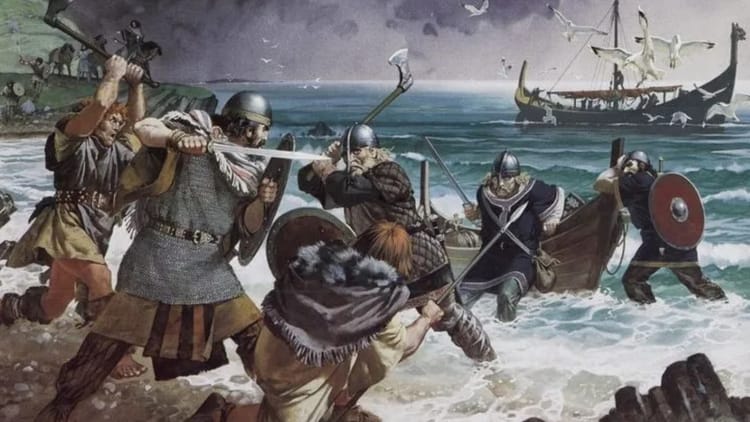
Because here’s the thing, the Vikings? These guys were the ultimate road trip junkies. They didn’t just stick to Scandinavia. They had routes stretching from Ukraine to Greenland, even dipped their toes into North America. L’Anse aux Meadows in Newfoundland? That’s confirmed. That’s real. So yeah, on paper, Maine isn’t some impossible leap.
And then you got the sagas. These half-myth, half-memory stories about Vinland, this lush place with grapes and good land. Sounds nice. Maine’s got grapes. You start connecting dots, maybe a little too eagerly.
But here’s where it gets interesting.
Because aside from this one lonely coin? Nothing. No Viking settlements. No tools. No longhouses. No skeletons with swords. Just this one battered little piece of silver sitting in a Native trading site that didn’t even peak until a century after the coin was made.
So now the smarter voices in the room (the historians, the archaeologists), they lean in and say, “Hold up. Don’t go writing a Viking-in-Maine epic just yet.”
See, that Goddard site? It wasn’t some random campsite. It was a trading hub. Stuff moved through there. A lot of stuff. And not just local goods. Items from way up north, from places like Newfoundland and Labrador, were already showing up. Stone tools, materials, things that had clearly traveled.
So the theory goes like this: the coin didn’t sail into Maine in a Viking’s pocket. It got there the long way. Hand to hand. Trade to trade. Indigenous networks moving goods across massive distances, way more sophisticated than people used to give them credit for.
By the time that coin landed in Maine, it might’ve already lived a dozen lives. Maybe it was jewelry. There’s a hole punched through it, like someone wore it. Maybe it wasn’t currency anymore, just an object with weight, with story.
And yeah, could a Viking ship have slipped down the Maine coast? Sure. It’s not crazy. But there’s no proof. No backup. Just that one coin, sitting there like a clue in a mystery that doesn’t quite want to be solved.
So what you’re left with isn’t a clean answer. It’s better than that.
You got a single artifact, drifting across centuries, crossing cultures, passing through hands we’ll never know. Until it ends up buried in Maine, waiting for someone to dig it up and start asking questions.
And honestly? That’s a hell of a story all by itself.