Song of the Samurai: When Manga Meets Prestige TV
For the longest time, live action manga adaptations had the reputation of being the movie equivalent of ordering sushi at a gas station. You wanted it to work. You hoped it would work. Deep down, you already knew how this was gonna end. They either hugged the source material so hard they suffocated it, acted embarrassed they were based on comics in the first place, or got run through the Hollywood machine until every weird little edge got sanded off.
Then One Piece showed up and changed the conversation.
Netflix somehow pulled off the magic trick. They took one of the most beloved, most unapologetically manga things ever made and got it into live action with its heart still beating. Now HBO walks into the room with Song of the Samurai and says, “Cool. What if we did that... but made it a samurai epic?”
That is a gutsy swing.
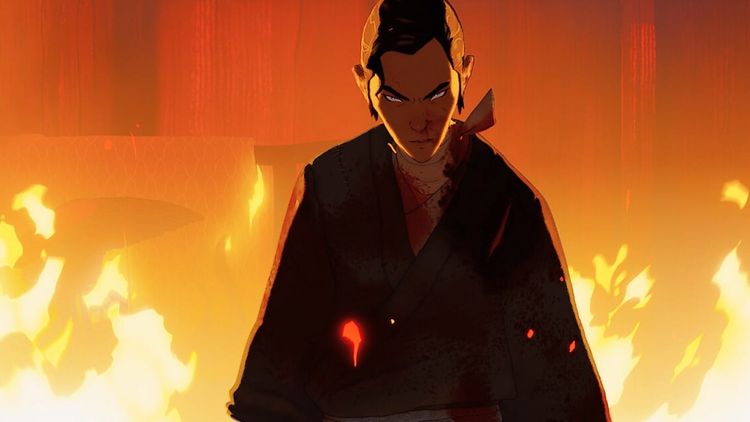
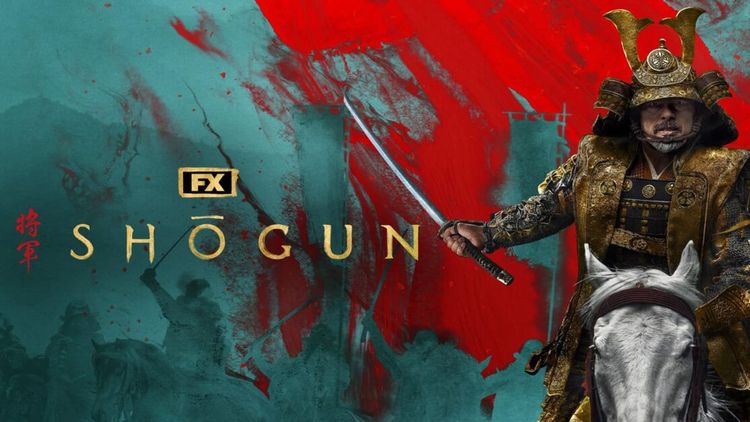
The show comes from Chiruran: Shinsengumi Requiem, and it arrives at exactly the right moment. Shōgun kicked the doors open for jidaigeki again. Suddenly audiences everywhere remembered, “Oh right, samurai stories absolutely rule.” At the same time, shows like Blue Eye Samurai, Last Samurai Standing, Alice in Borderland, and Yu Yu Hakusho proved Japanese storytelling could travel globally without sanding down its identity.
Song of the Samurai plants its flag right in the middle of all that.
Part historical drama. Part manga adaptation. Part sword-fight fever dream.
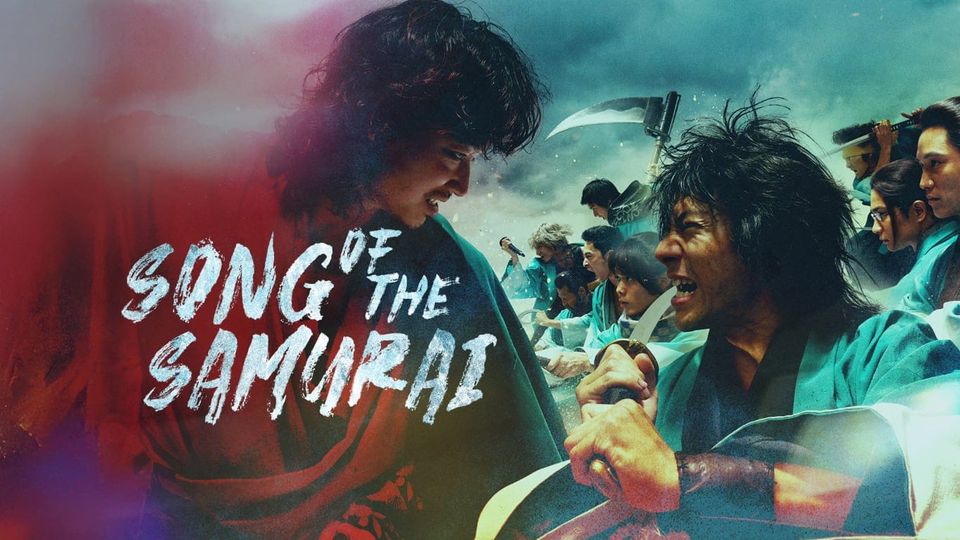
Our guy is Hijikata Toshizo, played by Yamada Yuki. When we meet him, he is basically a talented pain in the ass. He wanders around challenging dojo masters, picking fights, collecting wagers, running on swagger and ego. The kind of character who walks into a room already convinced he is the most interesting person in it.
Then he hits the Shieikan Dojo.
That is where he runs into Kondo Isami and the crew. Suddenly the story shifts. What starts as one hotheaded kid trying to prove he is the toughest guy in town turns into this found family story about future legends who do not know they are legends yet.
And that part works.
These guys eat together. Joke together. Scrap with each other. Dream about status, money, recognition. They feel less like heroic icons and more like a bunch of friends hanging around before history comes crashing through the door.
Meanwhile history is absolutely loading the gun.
The series takes place during the dying years of the Tokugawa shogunate. Japan is changing fast. Isolation is ending. Political factions are colliding. The old order is wobbling on its legs. Unlike Shōgun, though, Song of the Samurai does not lead with palace intrigue and chess moves. It leads with people.
Character first.
Politics second.
At least for now.
Visually, this thing is gorgeous. And I mean movie gorgeous. Cherry blossoms drifting through sword fights. Snow falling over Edo streets. Markets, bridges, waterfalls, candlelit interiors. Somebody behind the camera understood the assignment.
The fights are where it really flexes.
A lot of action shows treat swordplay like bookkeeping. Swing. Block. Cut. Move on.
Not here.
These fights have rhythm. Bodies move like dancers who happen to be carrying steel. It is graceful right up until it gets ugly. Then it gets ugly fast. The blades snap through scenes like exclamation points.
The result lands in this sweet spot between realism and anime spectacle.
That balance might be the show’s secret weapon.
Because Song of the Samurai is not trying to be Shōgun Junior. It is louder than Shōgun. Faster too. It wears its manga DNA on its sleeve and never apologizes for it.
Toshizo is the firecracker who needs discipline.
Kondo is the calm center of gravity.
The dojo crew arrive looking like archetypes, then the actors start adding layers and suddenly these people feel lived in.
There is humor here. Warmth too. And underneath all that, you can already feel tragedy circling overhead.
Now, there is one thing that sticks out.
Women are mostly absent.
Historically, sure, you can make the argument. The Shinsengumi world was overwhelmingly male. Still, modern audiences notice that kind of absence. The series may widen the lens later through its framing story with Nagakura Shinpachi looking back on the past, but early on this is very much a boys’ club.
Even with that caveat, the show has real momentum.
It gets something important that a lot of adaptations miss.
Adaptation is not photocopying.
You do not preserve manga by flattening it into prestige television. You also do not honor history by turning it into empty spectacle.
Song of the Samurai tries to keep both plates spinning at once. The weight of historical drama on one side. The speed, energy, and heightened emotion of manga on the other.
And so far, it is pulling it off.
If One Piece proved live action manga could be fun, Song of the Samurai is making a different argument.
It can be beautiful.
It can be violent.
It can carry history on its back.
And it can still swing a sword like it means it.