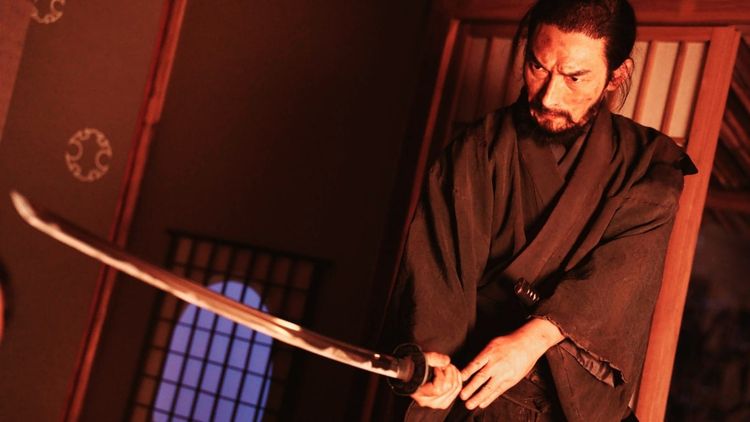
The Samurai Code as Horror Show: Bushido: The Cruel Code of the Samurai
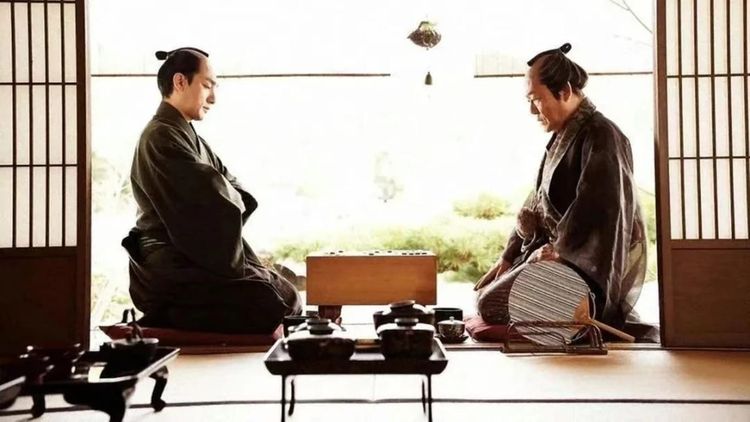
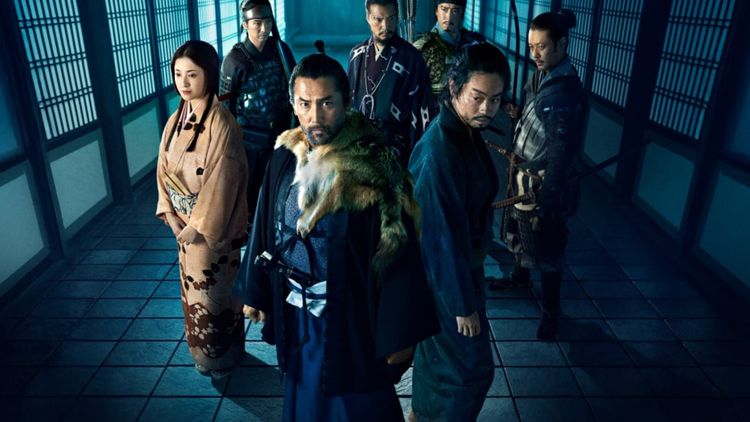
A few months back, I watched Kazuya Shiraishi’s Bushido (original title: Gobangiri). And because I am apparently incapable of behaving like a normal person, I finished the movie and then immediately went looking for reviews. After I’d already seen it. Because spoilers? Not for this guy. I like to walk into the movie not knowing a thing about it and then let the internet tell me what just happened to me afterward.
So I pull up Bushido Blues on YouTube, expecting a review of Shiraishi’s film.
Nope. Different Bushido.
This was Bushido: The Cruel Code of the Samurai. And then the host says, “This might be the most anti-samurai movie ever made. No honor, no glory, no heroes, just suffering.”
Buddy, that’s not a review quote. That’s a sales pitch.
I was in.
Now look, I love the romantic idea of the samurai. The lonely warrior. The perfect cut. The code. The discipline. The whole beautiful, doomed, steel-and-silk mythology of it. I eat that stuff up.
But I also know the samurai were, historically speaking, some ruthless sons of bitches. And since VIKINGS vs SAMURAI is practically built out of ruthless sons of bitches doing ruthless son-of-a-bitch things, this movie sounded like it had been pulled off a shelf specifically labeled “Watch this immediately.”
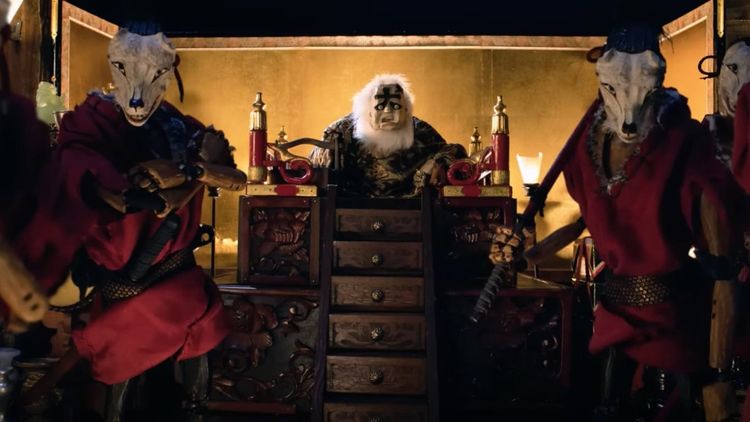
Now here’s the thing about Bushido: The Cruel Code of the Samurai: this is not some noble, misty-eyed samurai picture where men in beautiful robes talk about honor, draw steel, and die beautifully under a cherry tree.
No, no, no.
This is a poison-pill movie. This is a movie that takes “honor,” puts it on the table, cuts it open, and shows you the maggots crawling around inside.
Tadashi Imai starts the whole thing in the modern world, which is already a great move. No castle. No battlefield. No proud warrior silhouette against the dawn. We get an ambulance screaming through the city at night. Headlights. Sirens. Panic. A salaryman named Susumu Iikura rushing to the hospital because his fiancée has tried to kill herself.
Right away, the movie is saying: you thought this was going to be about the past? Buddy, the past is sitting in the front seat with blood on its hands.
Iikura starts digging through his family records, and what he finds is not a proud samurai lineage. It is a horror show with better handwriting. Three hundred and fifty years of men bowing, bleeding, apologizing, obeying, and calling it virtue. One generation after another, the Iikura men are fed into the same machine. Sometimes the machine wears armor. Sometimes it wears a military uniform. Sometimes it wears a business suit. But it is always the same machine.
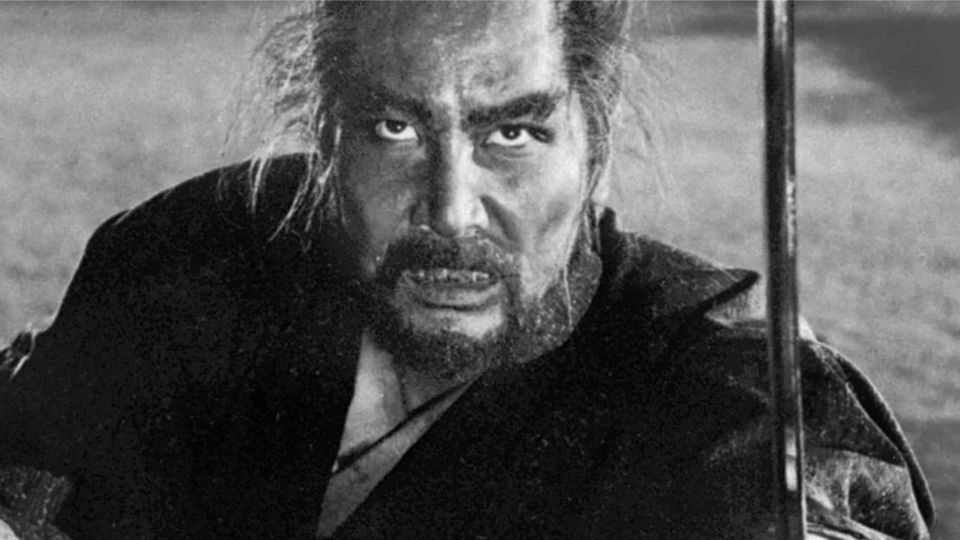
And Kinnosuke Nakamura plays them all.
That’s the trick. That’s the hook. Nakamura is not just playing one doomed man. He’s playing a whole bloodline of doomed men. Ronin, retainer, swordsman, student, soldier, office worker. Seven men, seven faces, same ancestral curse. And he doesn’t just slap on different facial hair and call it a day. He changes the temperature of each man. One is timid. One is hard. One is hollowed out. One is still innocent enough to think the world might not eat him alive. You watch him become his own ghost over and over again.
And the stories? Jesus.
One man commits seppuku to save the reputations of men above him who do not deserve the favor. His son follows a dead lord into death because apparently living with dignity is less important than dying on schedule. Another man gets summoned into his lord’s chambers and turned into the old bastard’s sexual property, then records the humiliation in these brutally plain journal entries that somehow make it worse. Another is forced to hand over his daughter, then his wife, because the lord wants what the lord wants, and the code exists to make the victim feel guilty for objecting.
He was punished, and the 70-koku stipend granted because of the loyalty of Jirozaemon was revoked.
There are farmers punished with grotesque cruelty. There are executions carried out in the name of status. There are people tricked into destroying the very things they love. There is a kamikaze death folded into the same rotten tradition. And then, in the present day, there is the salaryman version of it: betray the woman who loves you, serve the company, please the boss, sacrifice your soul, and call it responsibility.
That is the movie’s nastiest joke. The samurai are gone, but the castle never closed. It just got fluorescent lighting.
Imai’s great target here is obedience. Not honor. Not tradition. Obedience. The kind that teaches people to confuse humiliation with duty. The kind that makes a man hand over his wife and call it loyalty. The kind that makes suicide look respectable if the paperwork is in order. This movie looks at bushido and says: what if this beautiful code everyone romanticizes was actually a system for keeping people terrified, useful, and disposable?
And Imai does not soften it. He does not let you float above the misery on a cloud of pretty period detail. He pins you to faces. He makes you look at people swallowing pain because society has trained them to smile while they’re being erased. The violence is horrible, sure, but the real brutality is watching human beings participate in their own destruction because they have been taught that refusal is shameful.
The film is repetitive, but that repetition is the point. It’s not “here we go again” because Imai ran out of ideas. It’s “here we go again” because history is a grinder, and every generation thinks it’s different until the blade comes down. Edo feudalism, imperial militarism, postwar corporate culture: new costumes, same boot.
And that’s why Bushido still hits. It is not really about samurai. It is about every system that convinces people to sacrifice their lives, their families, their lovers, their bodies, their decency, and their future for the comfort of some man sitting above them.
This is a bitter movie. A severe movie. A movie with no interest in making honor look cool. It takes the samurai myth, drags it into an alley, and beats the romance out of it.
By the end, Bushido: The Cruel Code of the Samurai feels like part historical nightmare, part family curse, part workplace horror story. It asks one question, and it asks it with a blade at your throat:
How many bodies does tradition get to eat before somebody finally says no?